90% lighter wear protection and 3.3× projected service life increase on a CAT 7495 bucket door
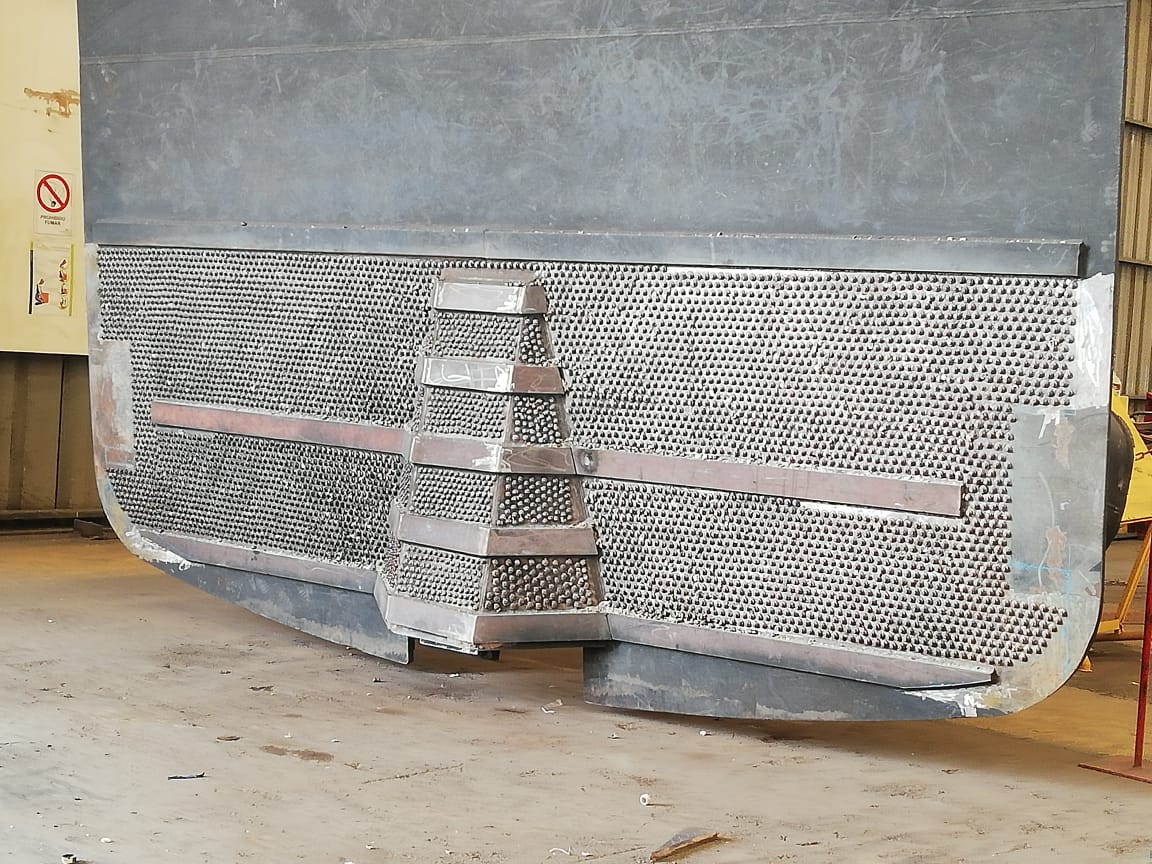
A copper mine was protecting the bucket door on a CAT 7495 electric rope shovel with approximately 1,600 kg (3,527 lb) of steel wear protection.
The protection resisted severe abrasion, but the added weight also increased stress on the bucket-door structure. Cracks were commonly found around the pin and hinge areas, contributing to repairs and reduced availability.
In January 2019, the mine replaced the steel protection with TS19 and TS22 TuffStudds. The complete system weighed just 210 kg (463 lb) while protecting both the internal and external wear surfaces of the door.
This removed 1,390 kg (3,064 lb) from the structure, approximately ~90% less wear-protection weight. The observed wear rate projected service life from approximately 9 million tonnes (9.9 million tons) to 30 million tonnes (33 million tons).
Key takeaways
- 6.6 m² (71 ft²) of wear surface protected
- 1,390 kg (3,064 lb) reduction in wear-protection weight, ~90% decrease
- 11,526,688 tonnes (12,705,999 tons) processed
- 29.2% average wear at final inspection
- 30 million tonnes (33 million tons) projected service life, 3.3× increase
- Wear cost reduced from $1,555 to $683 per million tonnes ($1,411 to $620 per million tons)
Heavy steel protection was adding stress to the door
A CAT 7495 shovel can move approximately 4,000 to 5,000 tonnes (4,409 to 5,512 tons) of material per hour. A single shovel can keep between six and ten high-tonnage haul trucks operating, making reliability and availability critical.
The bucket door experiences wear on both sides. The internal surface carries the payload as the bucket fills and empties. When the door opens over a haul truck, its lower external surface can also contact abrasive material already in the truck. As such, both surfaces require protection.
The mine's existing wear system consisted of steel wear plates and rims weighing approximately 1,600 kg (3,527 lb) in total.
For comparison, a single square metre of 25.4 mm (1 in) steel plate weighs approximately 200 kg (41 lb/ft²).
The mine's bucket doors typically lasted close to 9 million tonnes (9.9 million tons) before wear, cracking around the pin ears, impact damage, or other issues required repair or replacement.
The added weight of the protection was identified as one of the primary factors contributing to structural stress on the door.
Protecting both sides with 210 kg of TuffStudds
The replacement system covered a total area of 6.6 m² (71 ft²).
The internal side of the bucket door received TS19 TuffStudds across 4.2 m² (45 ft²). The external side received TS22 TuffStudds across 2.4 m² (26 ft²).
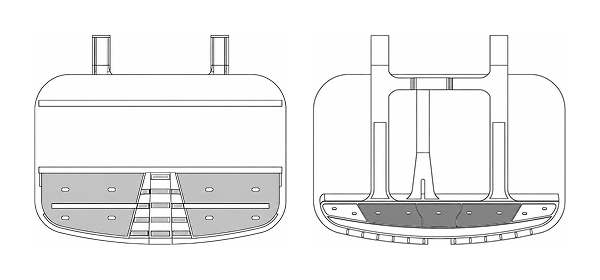
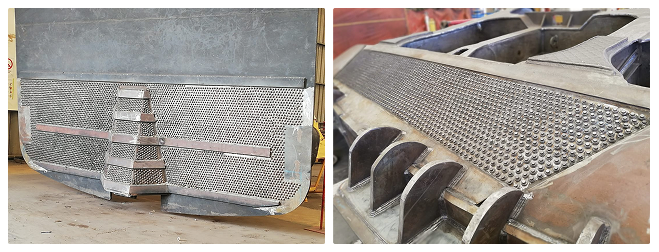
TuffStudds weigh approximately 32 kg/m² (6.5 lb/ft²).
The complete installation weighed 210 kg (463 lb), compared with 1,600 kg (3,527 lb) for the previous protection. This reduced the added weight on the bucket door by 1,390 kg (3,064 lb), or approximately ~90%.
Installation completed in 3.5 days
Installation took place between January 15 and January 18, 2019.
The door surfaces were cleaned using angular grit or shot blasting and preheated to approximately 60°C (140°F) before installation. The welding equipment was then configured for the application, material flow was verified, and the TuffStudds were installed at approximately 1.6 to 2 m² per day.
The entire 6.6 m² application was completed in approximately 3.5 days. The bucket door returned to operation on the CAT 7495 shovel on January 25, 2019.
Five inspections tracked wear in service
The mine inspected the TuffStudds installation five times between March and July 2019.
Over that period, the door processed 11,526,688 tonnes (12,705,999 tons) of material while average wear reached only 29.2%.
Based on the observed wear rate, projected service life was approximately 30 million tonnes (33 million tons).
| Inspection | Material processed | Average wear | Projected service life |
|---|---|---|---|
| March 4, 2019 | 2,488,795 tonnes 2,743,427 tons | 8.0% | 27 million tonnes 29.8 million tons |
| April 10, 2019 | 4,599,866 tonnes 5,070,484 tons | 8.9% | 40 million tonnes 44 million tons |
| May 15, 2019 | 6,813,574 tonnes 7,510,680 tons | 22.0% | 30 million tonnes 33 million tons |
| June 20, 2019 | 9,435,744 tonnes 10,401,127 tons | 29.0% | 30 million tonnes 33 million tons |
| July 22, 2019 | 11,526,688 tonnes 12,705,999 tons | 29.2% | 30 million tonnes 33 million tons |
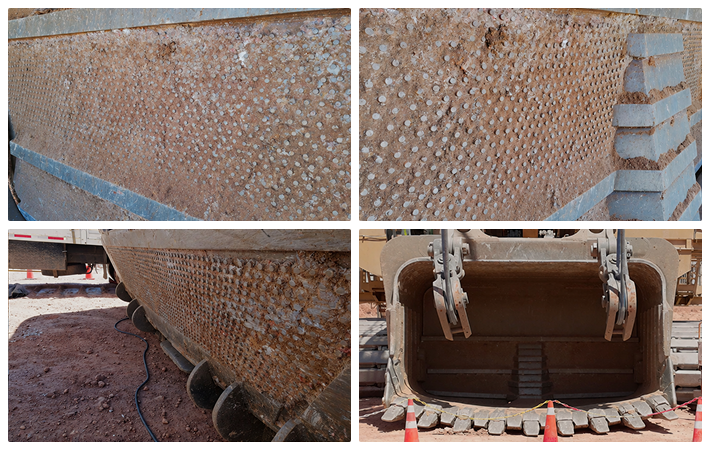
First inspection
On March 4, 2019, the first inspection was carried out after the shovel had processed 2,488,795 tonnes (2,743,427 tons).
Average TuffStudds wear was only 8%, giving an estimated service life of approximately 27 million tonnes (29.8 million tons).
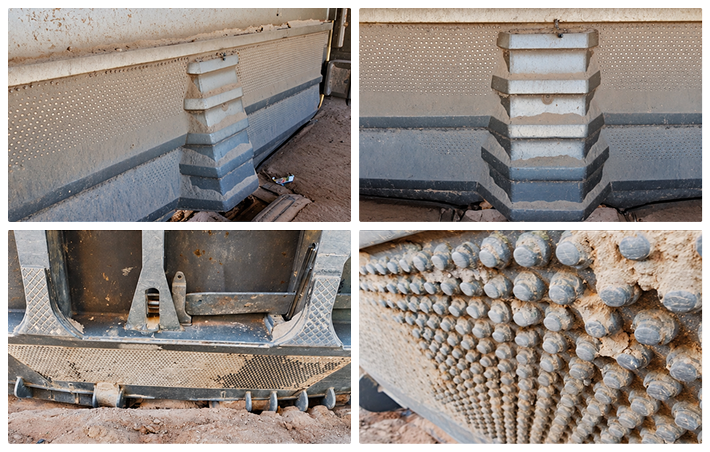
Second inspection
By April 10, 2019, processed material had reached 4,599,866 tonnes (5,070,484 tons).
Average wear was still only 8.9%, producing an estimated service life of approximately 40 million tonnes (44 million tons).
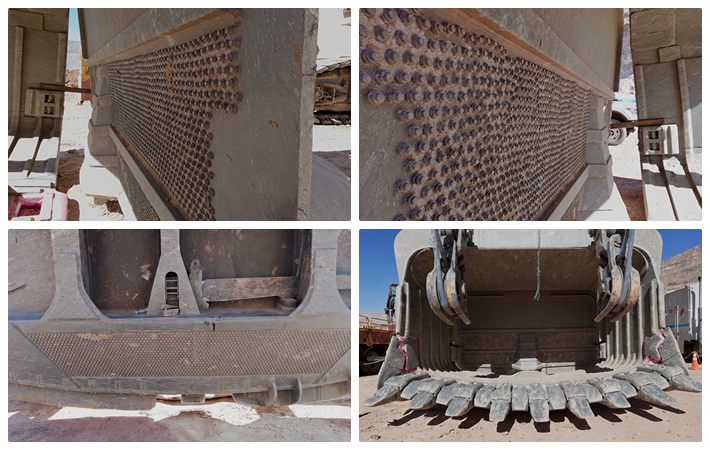
Third inspection
At the third inspection on May 15, 2019, the door had processed 6,813,574 tonnes (7,510,680 tons).
Average wear measured 22%, with projected service life settling at approximately 30 million tonnes (33 million tons).
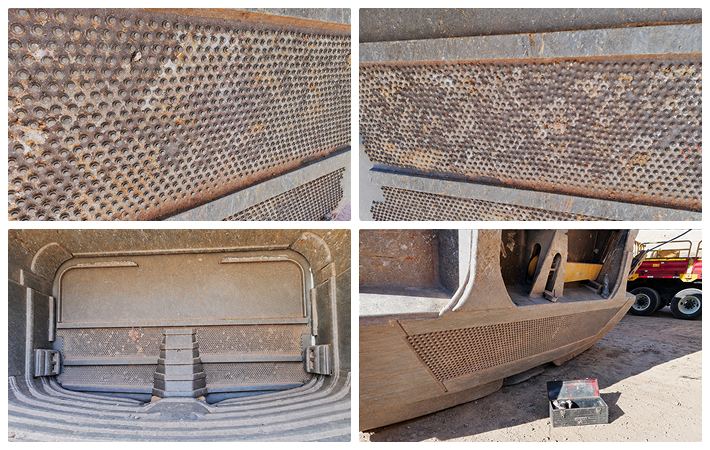
Fourth inspection
By June 20, 2019, the door had processed 9,435,744 tonnes (10,401,127 tons).
That meant the TuffStudds-protected door had already surpassed the mine's typical bucket-door life of approximately 9 million tonnes (9.9 million tons).
Average wear was 29%, and projected service life remained approximately 30 million tonnes (33 million tons).
Fifth inspection
The fifth inspection took place on July 22, 2019 after the bucket door had processed 11,526,688 tonnes (12,705,999 tons).
Average TuffStudds wear measured 29.2%.
Despite having already exceeded the mine's typical bucket-door service life, the observed wear rate still supported a projected life of approximately 30 million tonnes (33 million tons).
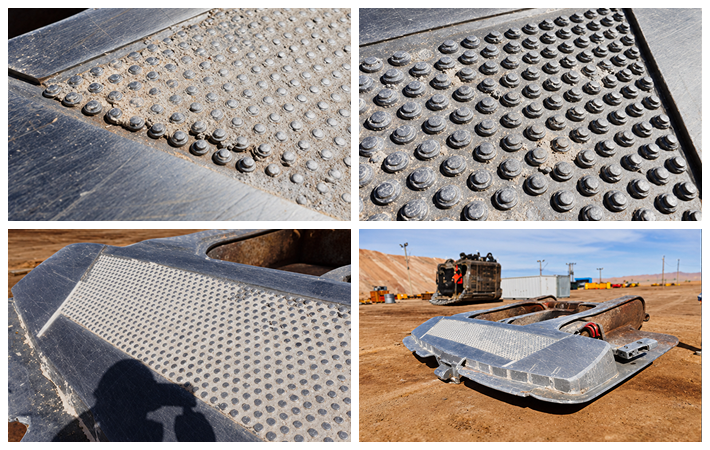
The bucket door was removed from service after the fifth inspection due to a failure in the internal latch guides. The failure was unrelated to the TuffStudds protection. The door was sent for repair with the intention of reinstalling it and continuing the test.
From 9 million tonnes (9.9 million tons) to a projected 30 million tonnes (33 million tons)
The mine's CAT 7495 bucket doors typically reached approximately 9 million tonnes (9.9 million tons) of service before wear, cracking, impact damage, or other issues required repair or replacement.
The TuffStudds-protected door had already processed 11,526,688 tonnes (12,705,999 tons) when the test was interrupted. At that point, average wear was only 29.2%.
Based on the measured wear rate, the protection was projected to reach approximately 30 million tonnes (33 million tons), about 3.3× the mine's typical bucket-door service life.
Wear cost fell by more than 50%
The previous bucket-door protection had an average wear cost of approximately $1,555 per million tonnes ($1,411 per million tons) processed.
Based on the projected life of the TuffStudds installation, that figure fell to approximately $683 per million tonnes ($620 per million tons). This represents a reduction of 56%.
The application therefore addressed more than just abrasion alone.
Replacing 1,600 kg (3,527 lb) of steel protection with 210 kg (463 lb) of TuffStudds cut wear-protection weight by about 90%, surpassed the mine's previous service life, and was projected to last about 3.3× as long, while cutting wear cost by 56%.
Talk to the TuffStudds team about your wear application.